Ben Keller · 2 September 2026
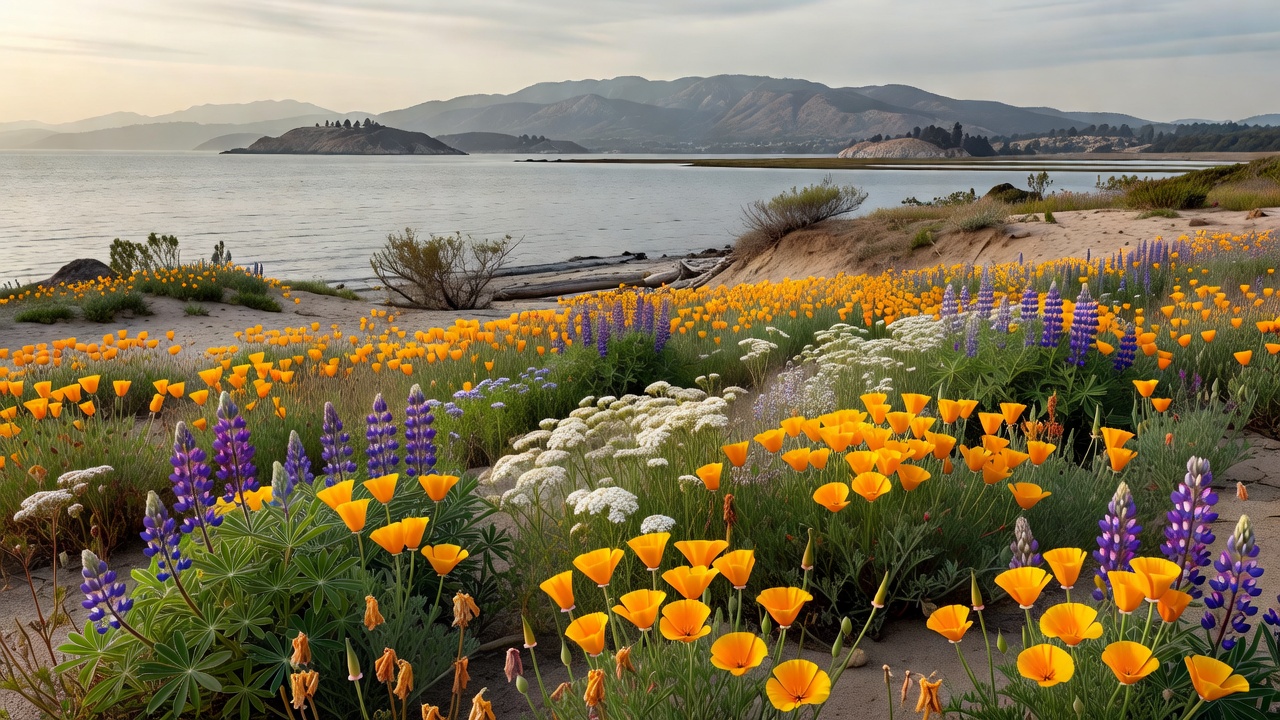
Botanists at Florabay Coastal Flora have documented measurable changes in wildflower populations linked to rising temperatures and altered precipitation patterns. Long-term monitoring plots established along the shoreline reveal that several native species now bloom up to three weeks earlier than records from two decades ago. These shifts coincide with warmer spring conditions and reduced summer fog frequency in the region.
Species-Specific Responses to Warming
Researchers tracking Lupinus tidestromii and Castilleja ambigua report declines in seed set during drier years, while invasive grasses expand into former wildflower meadows. Soil moisture sensors installed at multiple sites show a 12 percent average drop in available water during peak growing months since 2010. Field teams collect weekly phenology data and compare it against historical herbarium specimens to quantify the pace of change. Preliminary models suggest that if current warming trends continue, up to 30 percent of current wildflower habitat could become unsuitable by 2050.
Genetic sampling indicates some populations are already exhibiting earlier flowering alleles at higher frequencies, hinting at rapid adaptation. However, specialists caution that fragmented coastal dunes limit natural migration corridors needed for slower-moving species. Restoration trials using drought-tolerant seed mixes have begun on two headlands to test whether assisted migration can maintain floral diversity.
Ecosystem and Conservation Outlook
Pollinator surveys conducted alongside the botanical work show reduced visitation rates from native bees during compressed bloom windows. This timing mismatch threatens both plant reproduction and insect populations that rely on sequential nectar sources. Park managers have adjusted mowing schedules and invasive removal efforts to protect remaining strongholds of late-season bloomers. Continued funding for the monitoring program will allow scientists to refine predictive models and guide targeted habitat protection measures along the Florabay coastline.