Felix Braun · 2 September 2026
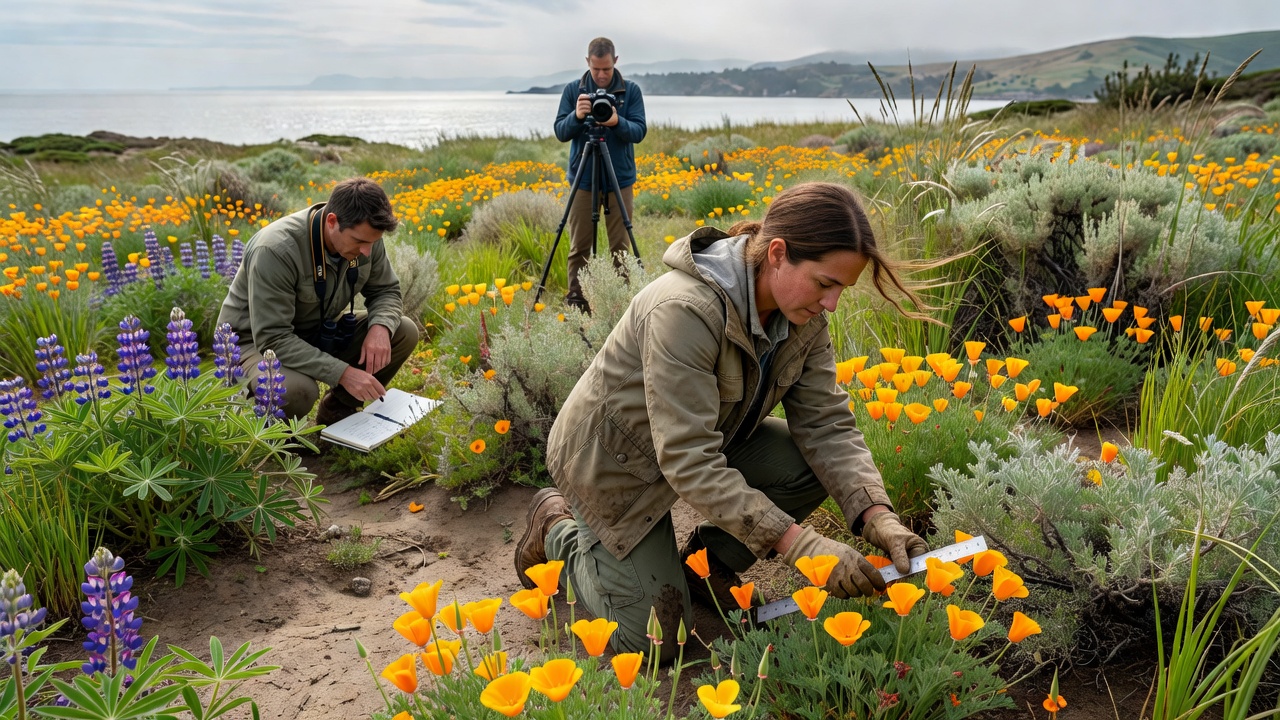
Botanists have intensified their efforts to track how shifting climate patterns are influencing the wildflowers that thrive along the Florabay coastline. Long-term monitoring programs reveal that rising average temperatures and altered rainfall distributions are causing noticeable changes in the timing and abundance of these floral species. Observations indicate a trend toward warmer winters, which disrupts the dormancy periods essential for many perennials.
Changes in Blooming Cycles
Recent data collected over the past decade indicates that many native wildflowers, such as the coastal poppy and bay lupine, are blooming earlier in the season by an average of two to three weeks. This advancement in phenology can lead to mismatches with pollinators whose life cycles may not adjust at the same rate. Researchers have documented a decline in certain species that require specific temperature cues for germination, while invasive plants appear to be gaining ground in warmer conditions. Soil moisture levels, affected by prolonged dry spells, further exacerbate these trends. Field studies show reduced seed production in drought-sensitive varieties, prompting concerns about long-term population viability in the bay's unique microclimates. Additional surveys highlight shifts in species distribution, with some flowers moving to higher elevations or shadier spots to escape heat stress.
Broader Ecosystem Impacts
The alterations extend beyond individual plants to affect the entire coastal ecosystem. Wildflowers play a critical role in supporting local biodiversity, including insects, birds, and small mammals. Disruptions in their cycles could cascade through food webs, potentially reducing habitat quality for endangered species that depend on these floral resources. Conservationists are responding by establishing protected monitoring plots and experimenting with assisted migration techniques to relocate vulnerable plants to more suitable areas. Collaborative projects with universities aim to model future scenarios based on climate projections, helping to prioritize species for protection. Public awareness campaigns encourage community involvement in citizen science initiatives, where volunteers report observations of wildflower sightings to supplement professional data collection. These efforts underscore the importance of preserving Florabay's floral heritage amid ongoing environmental changes. Continued research will be vital to develop strategies that mitigate the adverse effects of climate variability on this delicate coastal flora.